Decolonization, Indigenous allyship and human rights keynote speaker

Karen Craggs is a decolonization and Indigenous allyship keynote speaker who helps Canadian organizations understand what decolonizing their work means in practice. Her sessions are grounded in the TRC's 94 Calls to Action and in her Conscious Equality Framework, and they respect Indigenous leadership and expertise.

Check Karen's availability
“And how do we do all of this in a good way?”Karen Craggs
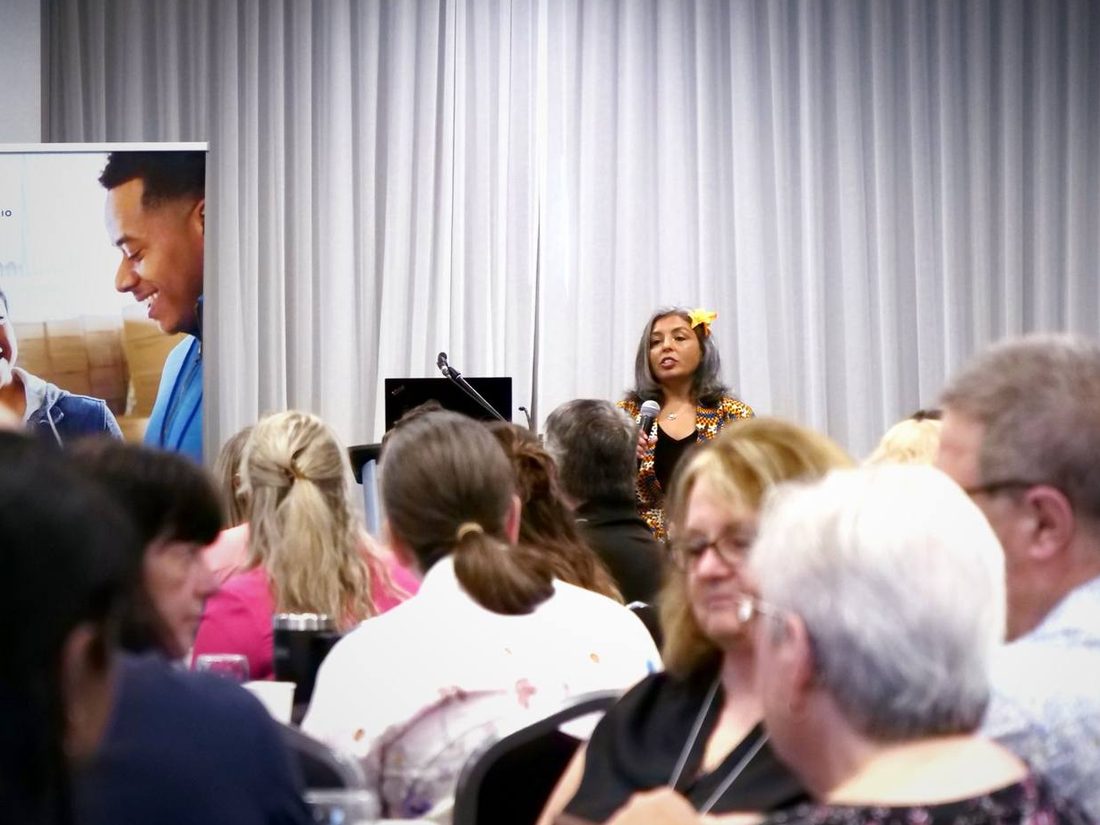
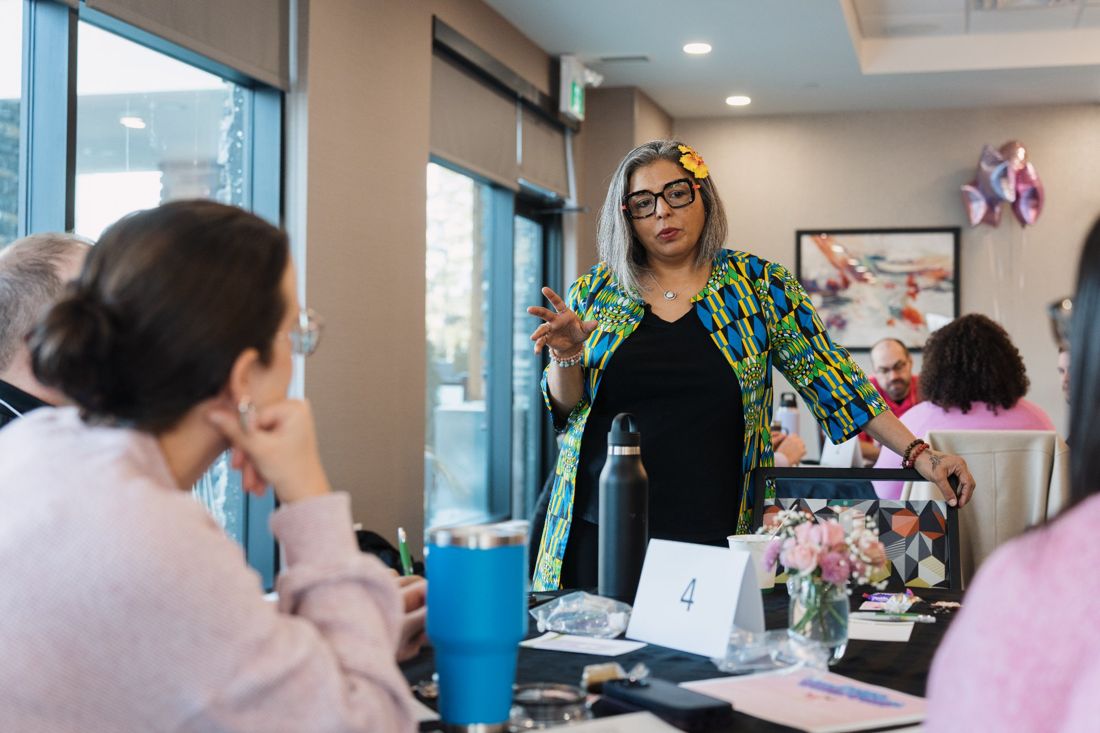
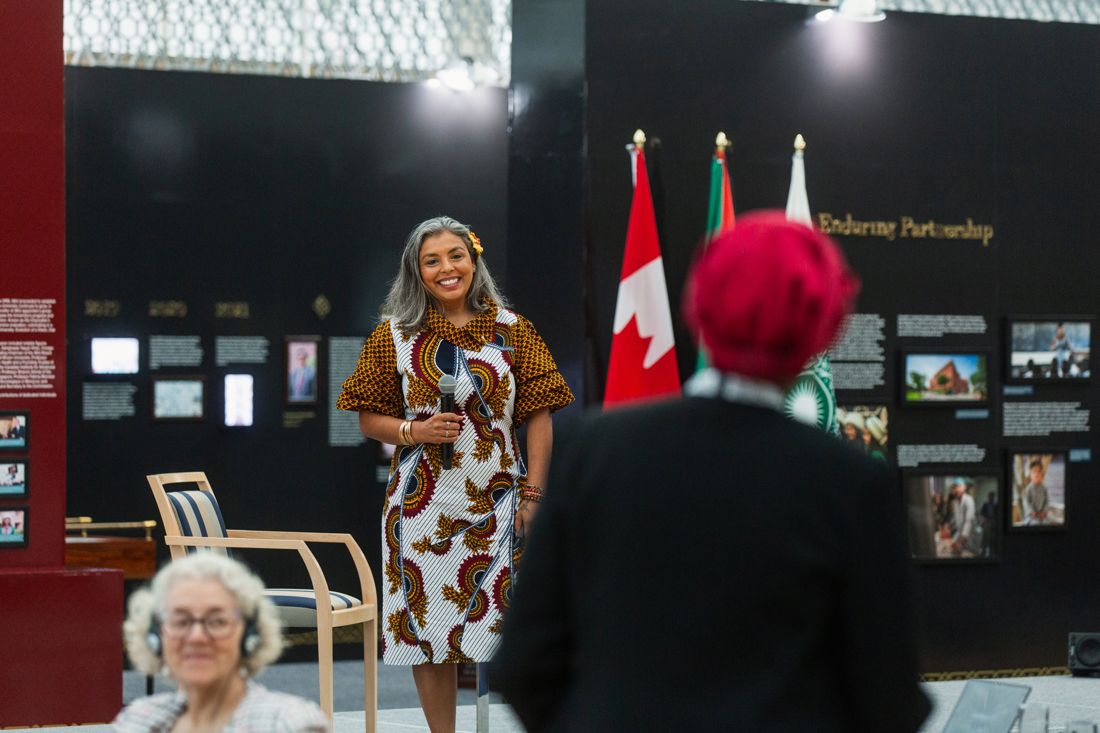
Karen Craggs facilitating a roundtable discussion Karen Craggs speaking in a gallery space Karen Craggs speaking to a seated audience

Two principles at the base of Karen's framework

Karen's Conscious Equality Framework has six principles. Decolonize and Indigenize form the deepest layer, because without them the rest of the work risks repeating the same assumptions in a slightly more inclusive form.

Decolonize

Questioning who set the rules and whose ways of working we normalize

Most institutions were built within one cultural framework, by people with the power to make their assumptions universal. Decolonizing means naming that honestly and examining whose voices are treated as authoritative. It means refusing to treat the existing order as neutral.

Indigenize

Honouring Indigenous knowledge, values and ways of being

Where Decolonize questions, Indigenize builds. It turns toward knowledge traditions that have sustained communities for millennia, through real relationship with living traditions, never by borrowing the look and feel of Indigenous culture.

Respecting Indigenous leadership. Work involving Indigenous rights, Indigenization or reconciliation respects appropriate Indigenous leadership and expertise, and Karen will recommend involving Indigenous speakers, Elders or Knowledge Keepers where that is the right fit. Read about the framework

94Calls to Action

Truth and reconciliation at work

Truth and reconciliation needs more than statements. Karen helps Canadian organizations find the Calls to Action that apply to them and turn them into ethical, informed and sustainable practice.

  • Moving from land acknowledgements to action
  • Decolonizing research, programs and partnerships
  • Indigenization in teaching and assessment
  • Board and leadership accountability

Where Karen has done this work

International research

International Institute for Sustainable Development

Karen supported an exploratory project on how the organization could shift its practices across the cultural contexts where it works, through repeat engagements from staff consultation and workshops to practical decolonization tools for research, programs and partnerships.

“Her wealth of knowledge on decolonization in the development sector helped us navigate the nuances often associated with this uncomfortable but necessary work.”Nicole Jang and Calais Caswell, International Institute for Sustainable Development
College faculty

Aurora College

An inclusive leadership session on how faculty can integrate decolonization and Indigenization into teaching, assessment and everyday interactions with students, built into institutional practice instead of a one-time training.

“Karen's session deepened my understanding and equipped me with actionable steps to make a meaningful impact in my teaching.”Faculty member, Aurora College
Polytechnic staff and students

Humber Polytechnic

Multiple sessions on DEI, decolonization and Indigenization for diverse staff and student audiences.

“When I think DEIB done well, I think of Karen.”Rina Di Mito, Manager, ICHub, Humber Polytechnic

Dates Karen speaks for

June

National Indigenous History Month

Learning sessions for staff and leaders, with Indigenous voices at the centre.

Sep 30

National Day for Truth and Reconciliation

Turning reflection on residential schools into organizational commitments.

Dec 10

Human Rights Day

Human rights, equity and accountability in governance and everyday decisions.

Decolonization consulting with Karen

Decolonization keynote questions

Who is a keynote speaker on workplace decolonization, Indigenous allyship and human rights?

Karen Craggs is a Canadian keynote speaker on decolonization, Indigenous allyship and human rights. She has supported the International Institute for Sustainable Development, Aurora College and Humber Polytechnic with decolonization and Indigenization work, and her Conscious Equality Framework names Decolonize and Indigenize as two of its foundational principles.

What does Karen's decolonization keynote cover?

What decolonization means in practical terms for research, programs, partnerships, teaching and decision-making, how the TRC's 94 Calls to Action apply to Canadian organizations, and how to move from land acknowledgements to accountable action.

How does Karen involve Indigenous voices?

Work involving Indigenous rights, Indigenization or reconciliation respects appropriate Indigenous leadership and expertise, and Karen will recommend involving Indigenous speakers, Elders or Knowledge Keepers where that is the right fit.

Which dates is Karen available for?

Organizations book this keynote around National Indigenous History Month in June, the National Day for Truth and Reconciliation on September 30 and Human Rights Day on December 10, as well as for faculty, staff and board learning throughout the year.

Does Karen also consult on decolonization?

Yes. Beyond keynotes, Karen provides decolonization consulting for research institutes, NGOs, colleges and other organizations, from staff consultation and workshops to strategy and practical tools.

How much does it cost to book Karen Craggs?

Fees depend on the format, length and travel. Use the Check Karen's Availability form and Karen will reply with details within 24 hours.
Plan a decolonization session done in a good way

Tell Karen about your organization and where you are in this work. She replies within 24 hours.

Check Karen's Availability Or book a discovery call
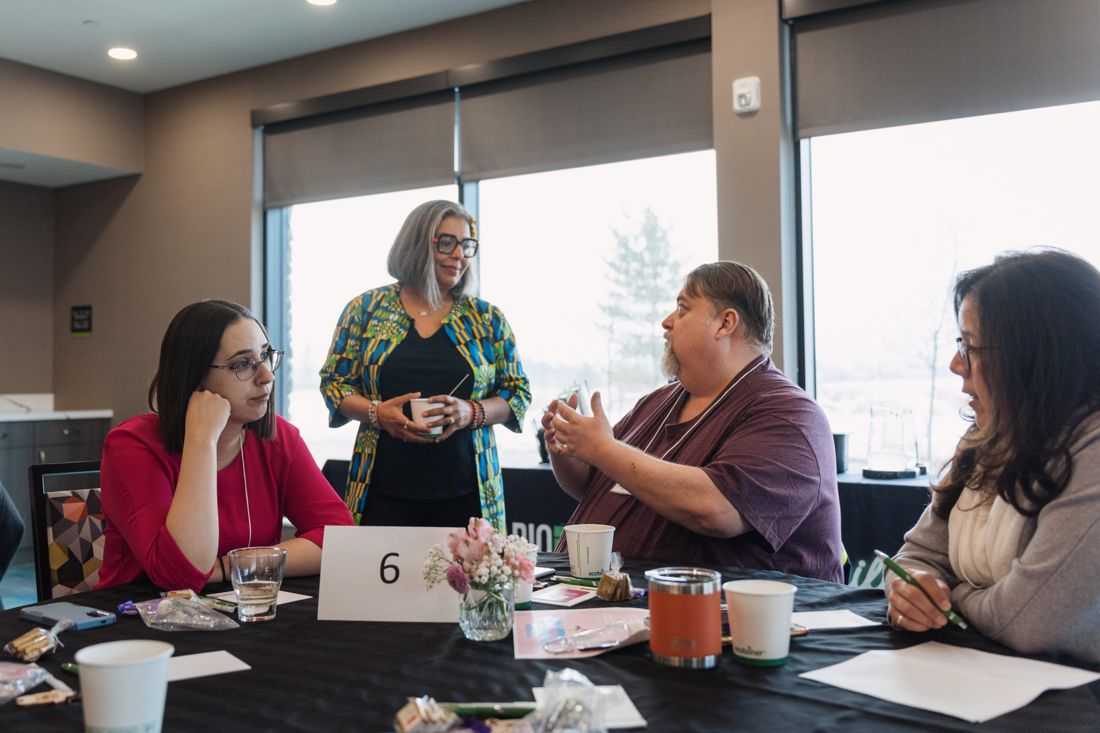
Karen Craggs teaching a workshop to seated participants